
The Ozempic diet has become one of the fastest-growing wellness topics, as more people use Ozempic not only for diabetes but for medical weight loss. This GLP-1 medication reduces appetite, slows digestion, and helps stabilise blood sugar, but eating right while on Ozempic requires a thoughtful, balanced approach. We are seeing too many people mis-using these drugs and also not eating in a balanced way when on them. So this blog sets out to help.
If you’ve been prescribed Ozempic, understanding what to eat on Ozempic and how to nourish your body is key for long-term success and health. Read on for more.
How the Ozempic Diet Works
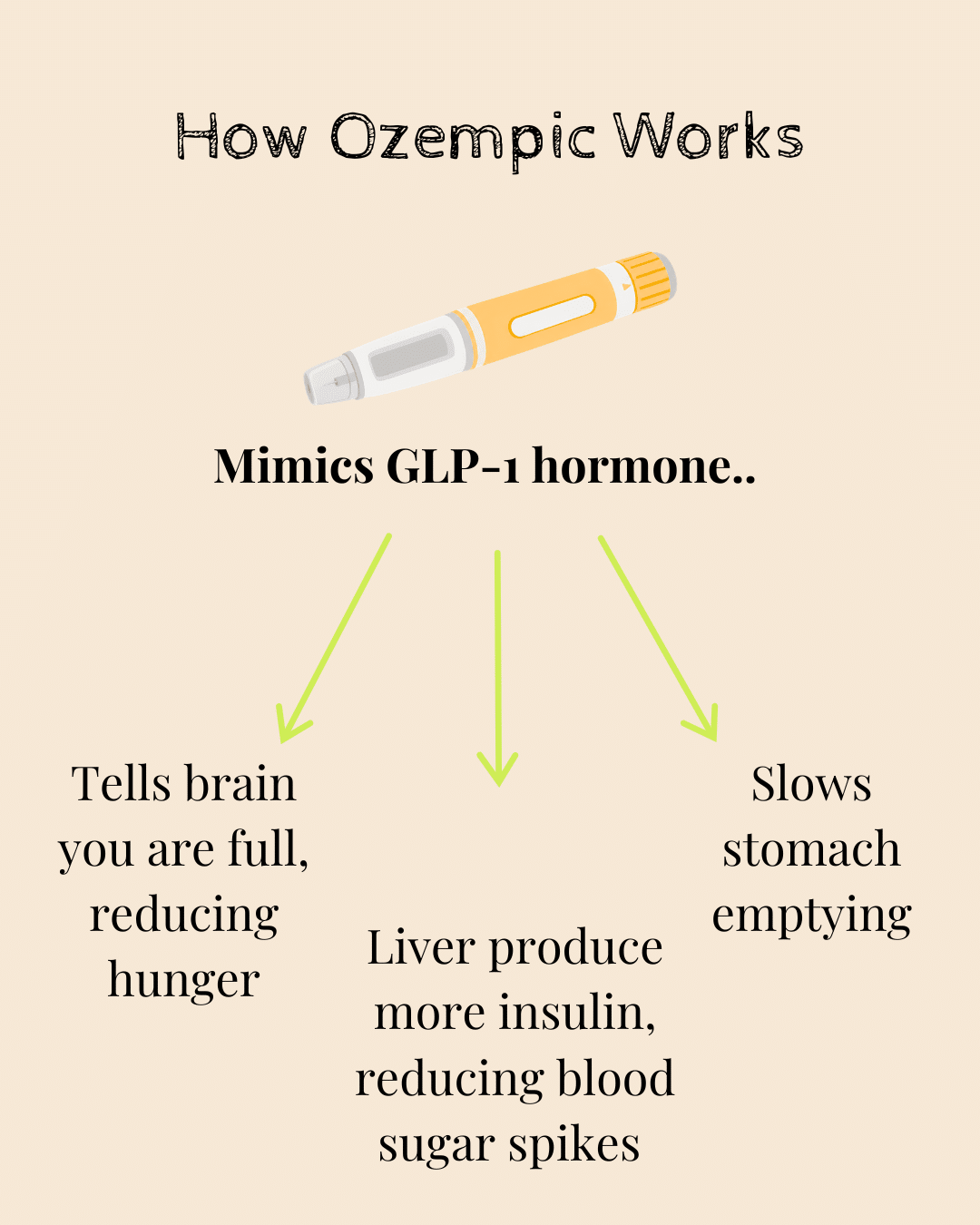
Ozempic is a GLP-1 receptor agonist that mimics a natural hormone helping regulate appetite and insulin release. This means it:
- Reduces hunger signals
- Slows digestion (you stay full longer)
- Helps prevent blood sugar spikes after meals
Because your appetite is smaller, eating nutrient-packed meals becomes more important than ever on the Ozempic diet plan. The guidelines are that these medications should be used alongside a balanced diet, physical activity and behavioural support to promote overall health and help maintain healthy habits.
While GLP-1 medications are highly effective, they are sadly not a magic cure. Obesity is increasingly recognised as a chronic, relapsing condition, and for many people GLP-1 medications may need to be used long term to sustain their benefits. Long-term treatment decisions should always be individualised and made in consultation with a healthcare professional.
Common Challenges with the Ozempic Diet
While Ozempic helps promote weight loss, there are crucial challenges to consider:
- Nutrient deficiencies: Smaller meals may mean lower vitamin and mineral intake.
- Side effects: Nausea, constipation, and fatigue can affect food variety.
- Food restriction risk: Appetite suppression can mimic disordered eating behaviors.
- Weight regain: Studies show many regain weight after stopping Ozempic within 1–2 years.
Creating a sustainable, balanced Ozempic meal plan can help you manage these issues while protecting your health. This means eating balanced, regular meals with adequate protein, fruit and veg, fibre and limited UPF’s and alcohol.
The Ozempic Diet and Eating Disorder Awareness
If you have a history of restrictive eating, binge eating, or disordered eating patterns, extra caution is needed with GLP-1 medications such as Ozempic.
Emerging evidence has raised concerns about excessive appetite suppression and the potential to worsen disordered eating behaviours in some individuals. For this reason, experts recommend screening for eating disorders before starting treatment and avoiding GLP-1 medications in those with active or unstable eating disorders.
These medications should always be used under medical supervision, with appropriate psychological support where needed. Anyone with current or past disordered eating should have ongoing monitoring from a GP, dietitian, or mental health professional. So please do take care.
GLP-1 medications are not suitable for self-directed weight loss and are not appropriate for everyone.
What to Eat when taking Ozempic/GLP-1’s:
Aim to build satisfaction and nourishment into every meal. Each bite should deliver energy and key nutrients your body needs when you are taking GLP-1’s. Following a balanced and nutritious diet is key for success.
1. Protein First
Protein preserves muscle mass, supports digestion, and boosts metabolism. This is especially important for people eating smaller portions or if your appetite is impacted. So aim to have protein at each meal and in at least 1 snack a day. Examples: eggs, greek yogurt, chicken, fish, tofu, nuts, seeds, tempeh, cheese, milk, beans, and lentils and protein powders.
You could have Greek yoghurt with fruit and seeds for breakfast, snack on nuts, an omelette with veggies and toast for lunch, an apple and peanut butter as snack and then a dinner with chicken or tofu. Remember while protein is important it is not the only key nutrient.
Protecting muscle while taking Ozempic:
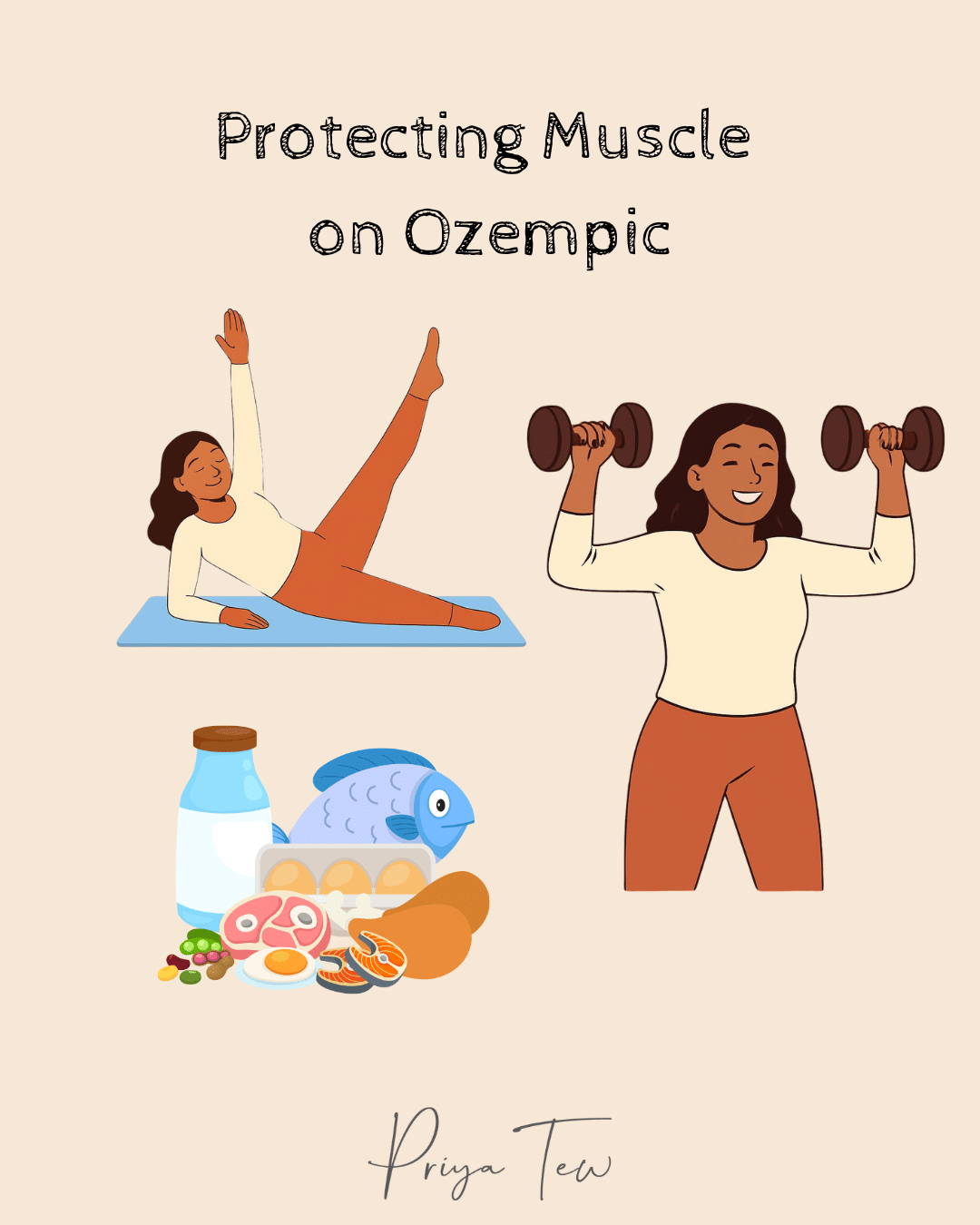
One concern with rapid weight loss on GLP-1 medications is the loss of lean body mass. Research suggests that 15-40% of the weight lost may come from muscle and other lean tissue, particularly in older adults and those who already have low muscle mass.
The good news is that muscle can be protected by combining GLP-1 medications with adequate protein intake and regular resistance exercise, such as weights, resistance bands, Pilates or bodyweight exercises.
Protecting muscle is just as important as losing body fat and is key for long-term health, mobility and healthy ageing.
2. Eat plenty of Vegetables
Vegetables are low in calories but rich in fibre, vitamins, and minerals. Aim to have 3-4 portions a day. You can do this by making sure you have veggies with your lunch and dinner. Or snack on some raw veggies and hummus for that winning combo of vegetables and protein.
Good choices: broccoli, spinach, kale, peppers, courgettes, carrots and cauliflower or any that you love!
3. Choose Whole Grains
Whole grains such as quinoa, oats, coucous and brown rice provide fibre and steady energy release, balancing blood sugars. They also provide some protein and B vitamins amongst other nutrients such as iron, zinc and magnesium. Whilst not every carbohydrate food you eat needs to be a brown version, aim to eat these most often with white versions as the occasional option.
4. Add Healthy Fats
Moderate doses of healthy fats like olive oil, avocado, or nuts support brain and heart health while promoting satiety. Healthy fats can seem like the wrong thing to be eating but they can help with satiety, fullness, heart and brain health. So they are key to keep in your diet. Plus they taste good and so help you feel satisfied.
5. Stay Hydrated
Drink plenty of water and hydrating fluids like herbal tea. Ozempic slows digestion, which may increase you risk of constipation, hydration helps relieve this. Water is the obvious choice! Tea and coffee do still hydrate you, just make sure if is not all you drink. Limit to 4-5 cups of caffeinated tea or coffee and then switch to something else. Herbal teas, no added sugar squash are other great alternatives.
6. Supplement Considerations
Reduced appetite and slower stomach emptying mean some people taking Ozempic may struggle to meet their nutrient needs. Emerging research suggests that intakes of vitamin D, iron, calcium, B vitamins and protein are commonly lower in people using GLP-1 medications. Your healthcare team may recommend routine blood tests for these nutrients, and suggest supplements based on results.
Some people may also find probiotics or fibre supplements helpful for managing gastrointestinal side effects, although these should complement (not replace) a balanced diet.
Sample One-Day Ozempic Meal Plan
An Ozempic-friendly diet should focus on steady energy and digestive comfort rather than excess restriction.
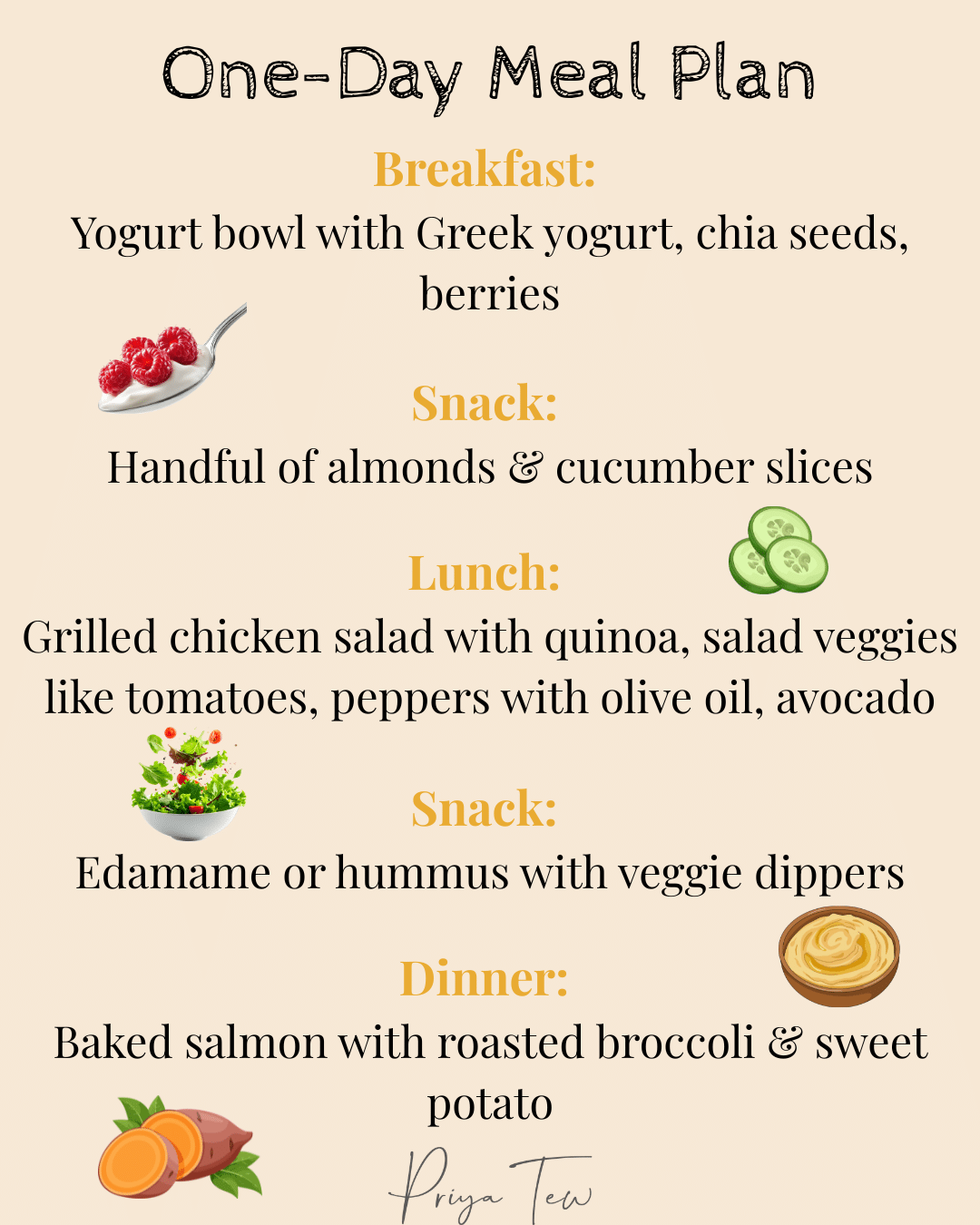
Breakfast: Yoghurt bowl with Greek yogurt, chia seeds, and berries
Snack: Handful of almonds and cucumber slices
Lunch: Grilled chicken salad with quinoa, salad veggies like tomatoes, peppers with olive oil, and avocado
Snack: Edamame or hummus with veggie dippers
Dinner: Baked salmon with roasted broccoli and sweet potato
You can structure your Ozempic diet meal plan around your taste and activity levels. Eating smaller, nutrient-dense meals regularly helps balance appetite and energy.
Foods to Avoid on the Ozempic Diet
Even though no food is “forbidden,” these can worsen Ozempic side effects or slow your progress:
- Fried, greasy, or high-fat meals (increase nausea)
- Highly processed snacks and fast food
- Fizzy drinks and alcohol (can irritate digestion)
- Sugary desserts and refined carbohydrates
Focusing on whole, minimally processed foods is central to a successful Ozempic diet for weight loss.
Key Takeaways for Success with the Ozempic Diet
- Eat protein at every meal and include resistance training to help preserve muscle mass.
- Prioritize fruits, vegetables, and whole grains.
- Stay hydrated to ease digestion.
- Eat regularly, even without strong hunger.
- Be mindful of your relationship with food, emotional health matters too.
The Evolving GLP-1 Landscape
Newer weight-loss medications, including tirzepatide and emerging GLP-1 combination therapies, are achieving weight loss outcomes comparable to bariatric surgery in some studies. Oral and higher-dose semaglutide formulations are also expanding treatment options.
However, the same key considerations remain: gastrointestinal side effects, loss of lean mass, and significant weight regain after stopping treatment in many people. This reinforces that these are long-term metabolic treatments rather than short-term solutions.
Final Thoughts on What to Eat on the Ozempic Diet
The Ozempic diet isn’t about eating less, it’s about eating smarter. The best Ozempic diet plan centers on nutrient balance, mindful eating, preserving muscle and supporting long-term metabolic health. When used thoughtfully, Ozempic can complement a lifestyle that values strength, nourishment, and overall well-being.
Focus on how food makes you feel, not just the number on the scale. Whether your goal is blood sugar control or steady weight loss, the best Ozempic diet supports both your physical and mental health.
Remember this is not a medication to use if you have an eating disorder, so please to be cautious that it is right for you.
References:
Alissou M, Demangeat T, Folope V, et al. Impact of semaglutide on fat mass, lean mass and muscle function in patients with obesity: The SEMALEAN study. Diabetes, Obesity & Metabolism. 2025; October 9, 2025.
Kolli RT, Aoutla S, Jyothi N, et al. Rebound or retention: A meta‑analysis of weight regain after the discontinuation of glucagon‑like peptide‑1 (GLP‑1) receptor agonists and other anti‑obesity drugs. Cureus. 2025; October 1, 2025.
Madsbad S, Holst JJ. The promise of glucagon‑like peptide 1 receptor agonists (GLP‑1RA) for the treatment of obesity: A look at phase 2 and 3 pipelines. Expert Opinion on Investigational Drugs. 2025; March 2025.
NICE: Semaglutide. Available at: https://bnf.nice.org.uk/drugs/semaglutide.
Urbina J, Salinas‑Ruiz LE, Valenciano C, Clapp B. Micronutrient and nutritional deficiencies associated with GLP‑1 receptor agonist therapy: A narrative review. Clinical Obesity. 2026; January 19, 2026.